

Polystyrene (PS) is a versatile thermoplastic polymer derived from the monomer styrene (C₈H₈), which is obtained from petroleum-based feedstocks. It is one of the most widely used plastics in the global polymer industry due to its clarity, dimensional stability, processability, and cost efficiency.
PS can be easily molded and extruded, offering excellent electrical insulation and low thermal conductivity. Depending on its formulation and structure, it can be rigid or foamed, transparent or opaque, making it suitable for a wide range of industrial and consumer applications.
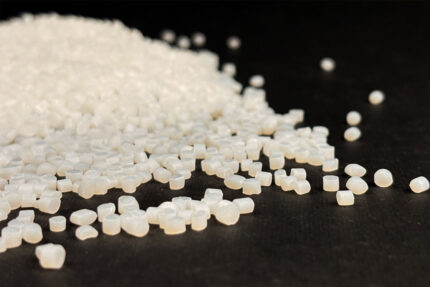
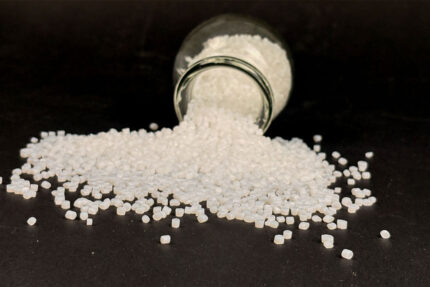
General Purpose Polystyrene (GPPS)
General Purpose Polystyrene (GPPS) is a crystal-clear, amorphous thermoplastic polymer produced by the polymerization of styrene monomers. It is one of the most common grades of polystyrene and is valued for its optical clarity, rigidity, dimensional stability, and ease of processing.
GPPS is often referred to as “crystal polystyrene” due to its transparency and glossy surface finish. It is primarily used in applications that require visual clarity, aesthetic appeal, and precise dimensional control.


High Impact Polystyrene (HIPS)
High Impact Polystyrene (HIPS) is a tough, durable, and opaque thermoplastic polymer produced by blending polystyrene with polybutadiene rubber. This modification enhances the material’s impact strength, flexibility, and resistance to cracking compared to General Purpose Polystyrene (GPPS).
HIPS offers a balanced combination of mechanical strength, processability, and cost efficiency, making it one of the most popular and widely used thermoplastics in the packaging, appliance, and consumer goods industries.