

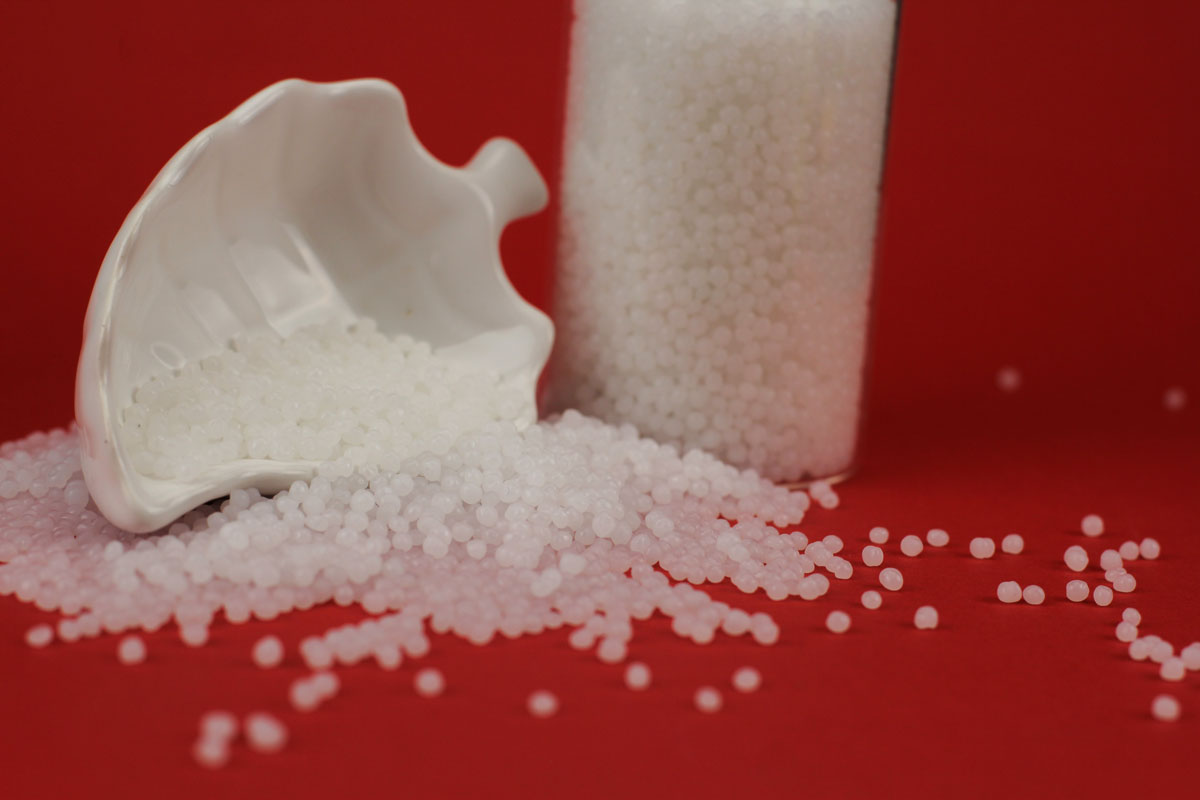
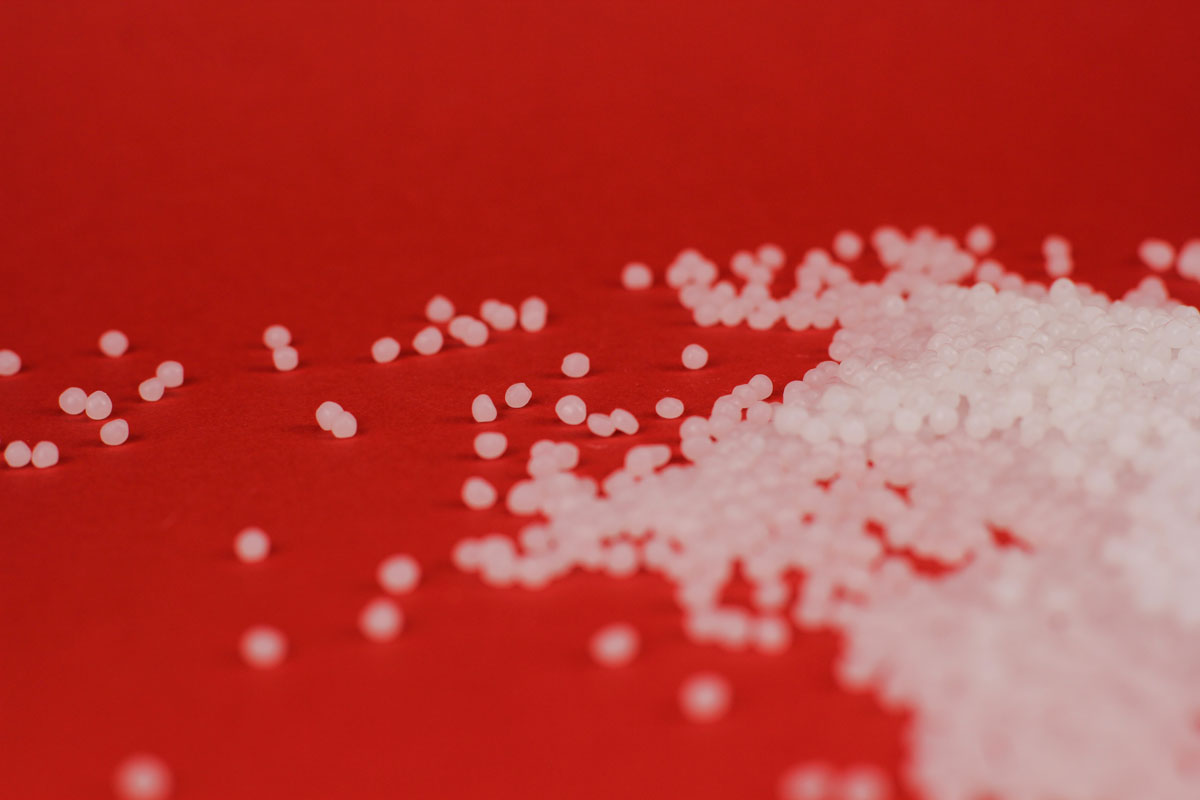



PP Co-Polymer
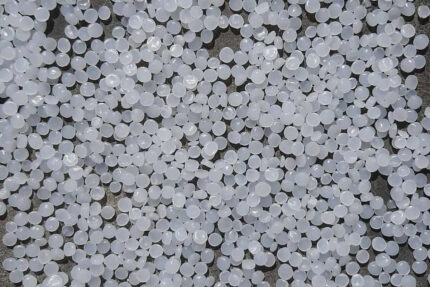
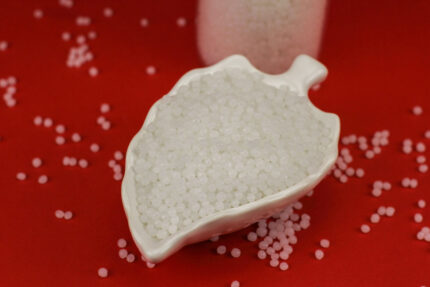
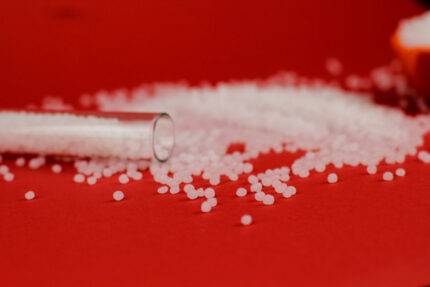
PP Co-Polymer is a type of polypropylene made by combining propylene with another monomer, which enhances its flexibility, impact resistance, and heat resistance compared to PP homo-polymer. This modified structure makes it ideal for applications requiring improved toughness and performance.
PP Co-Polymer applications include:
Packaging: PP co-polymer is used in food packaging, especially for products that need enhanced flexibility and impact resistance, such as yogurt cups, containers, and films.
Automotive Parts: It is used in automotive components that require better impact strength and flexibility, like bumpers, interior panels, and trims.
Consumer Goods: It is found in household products like flexible containers, toys, and medical products due to its improved durability and flexibility.
Industrial Applications: PP co-polymer is used for creating pipes and fittings where enhanced impact resistance and temperature tolerance are essential.
PP co-polymer’s improved flexibility, toughness, and resistance to heat and chemicals make it a preferred material for a wide range of demanding applications.
Available grades of PP Co-Polymer:
548 R, 548 T, MR230, ZR230, 440 L, 440 G, RP340, 3212 E, 345 S
and all production are according to customers’ orders.
Related products
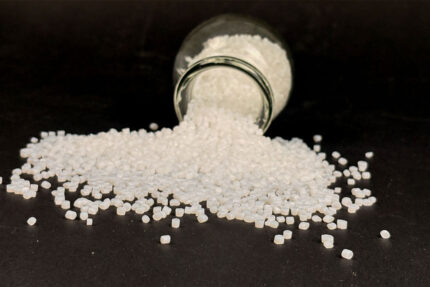
General Purpose Polystyrene (GPPS)
General Purpose Polystyrene (GPPS) is a crystal-clear, amorphous thermoplastic polymer produced by the polymerization of styrene monomers. It is one of the most common grades of polystyrene and is valued for its optical clarity, rigidity, dimensional stability, and ease of processing.
GPPS is often referred to as “crystal polystyrene” due to its transparency and glossy surface finish. It is primarily used in applications that require visual clarity, aesthetic appeal, and precise dimensional control.
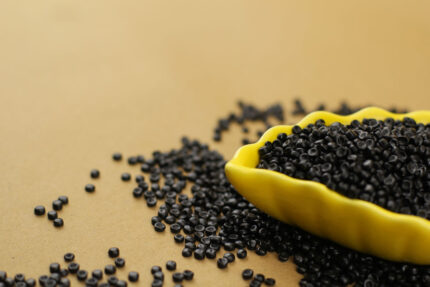
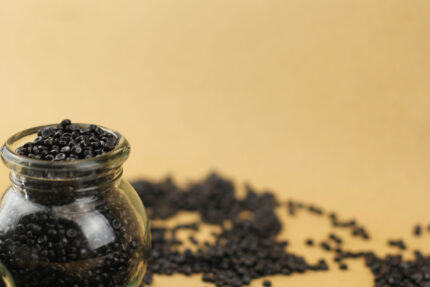
HDPE Extrusion
HDPE Extrusion is a manufacturing process where high-density polyethylene (HDPE) is melted and pushed through a die to create continuous shapes, like pipes, sheets, and profiles. Known for its durability, flexibility, and resistance to chemicals, HDPE extrusion is widely used across multiple industries. Key applications include:
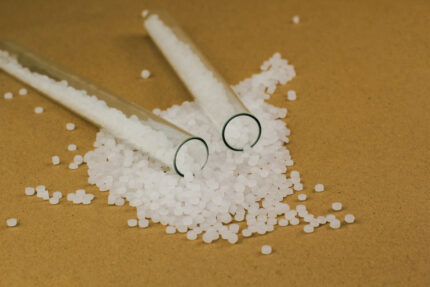


High Impact Polystyrene (HIPS)
High Impact Polystyrene (HIPS) is a tough, durable, and opaque thermoplastic polymer produced by blending polystyrene with polybutadiene rubber. This modification enhances the material’s impact strength, flexibility, and resistance to cracking compared to General Purpose Polystyrene (GPPS).
HIPS offers a balanced combination of mechanical strength, processability, and cost efficiency, making it one of the most popular and widely used thermoplastics in the packaging, appliance, and consumer goods industries.


PET TG
PET TG, or Textile Grade Polyethylene Terephthalate, is a specialized grade of PET designed for fiber production and textile applications. This grade features high molecular weight and intrinsic viscosity, providing excellent tensile strength, thermal stability, and durability, which are essential for producing high-quality polyester fibers. PET TG is widely used in the textile and nonwoven industries due to its superior spinnability and consistent performance.
