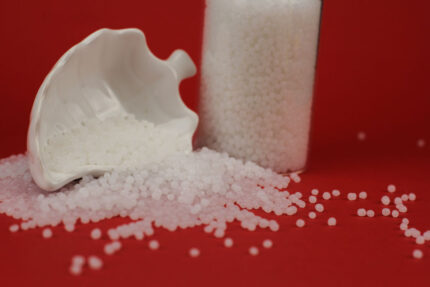
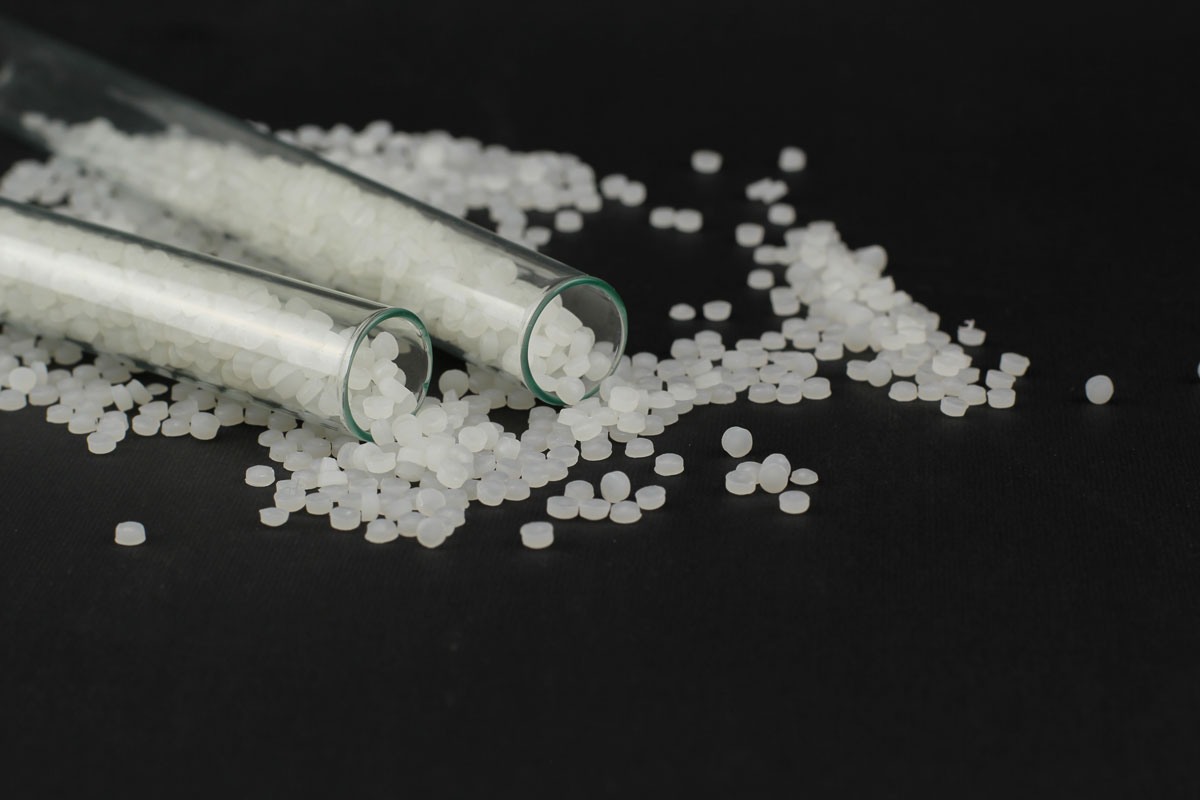
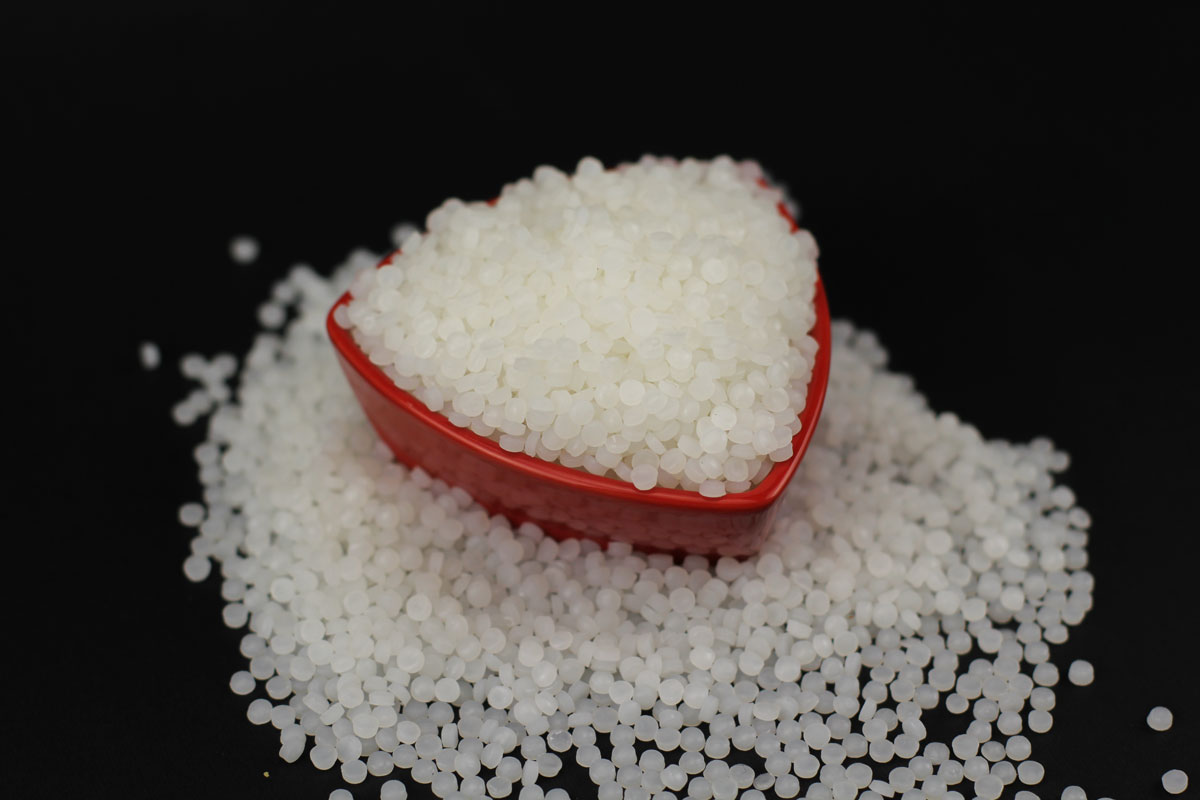


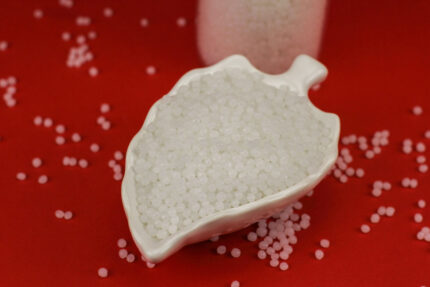
HDPE Blow Molding
HDPE Injection Molding is a manufacturing process that shapes high-density polyethylene (HDPE) into durable, complex forms by injecting molten HDPE into a mold. Known for its strength, impact resistance, and cost-efficiency, HDPE injection molding is widely used across various industries.
HDPE Blow Molding applications include:
Consumer Packaging: HDPE blow-molded bottles and containers are widely used for household products like detergents, shampoos, and cleaning agents, thanks to HDPE’s excellent chemical resistance and rigidity.
Food and Beverage Containers: HDPE is FDA-approved for food contact, making it a popular choice for milk, juice, and other beverage bottles. The material’s stability helps preserve product freshness.
Industrial and Chemical Containers: HDPE blow-molded drums and jerry cans are used to store chemicals, oils, and other hazardous substances. HDPE’s resistance to corrosive substances ensures safe storage and transport.
Medical and Pharmaceutical Packaging: HDPE is also used in pharmaceutical and medical packaging due to its impermeability to moisture and air, helping to maintain the integrity of the contents.
Automotive Components: In the automotive industry, HDPE blow-molded parts are used for fuel tanks, coolant containers, and other components that benefit from HDPE’s impact resistance and flexibility.
Available grades of Blow Molding:
BL3 – 0035 – 5510 and all production are according to customers’ orders.
Related products
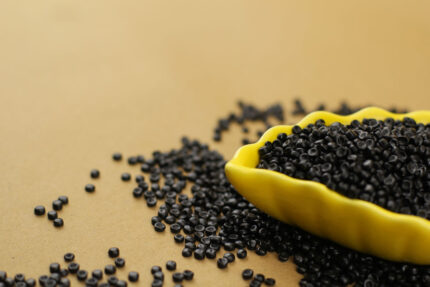
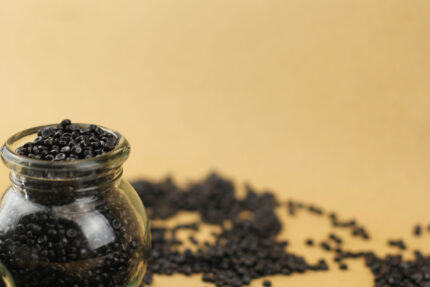
HDPE Extrusion
HDPE Extrusion is a manufacturing process where high-density polyethylene (HDPE) is melted and pushed through a die to create continuous shapes, like pipes, sheets, and profiles. Known for its durability, flexibility, and resistance to chemicals, HDPE extrusion is widely used across multiple industries. Key applications include:
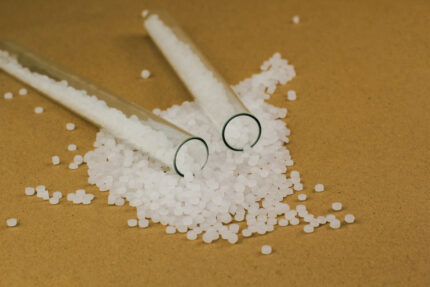


High Impact Polystyrene (HIPS)
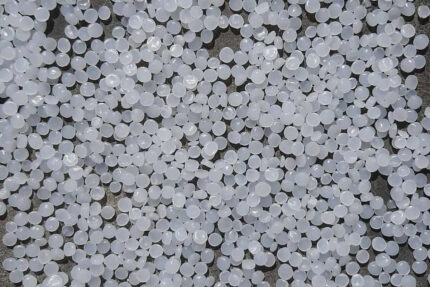
High Impact Polystyrene (HIPS) is a tough, durable, and opaque thermoplastic polymer produced by blending polystyrene with polybutadiene rubber. This modification enhances the material’s impact strength, flexibility, and resistance to cracking compared to General Purpose Polystyrene (GPPS).
HIPS offers a balanced combination of mechanical strength, processability, and cost efficiency, making it one of the most popular and widely used thermoplastics in the packaging, appliance, and consumer goods industries.


PET BG
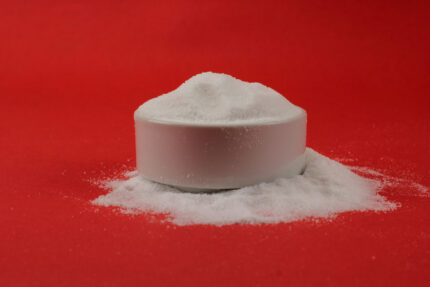
PET BG, or Bottle Grade Polyethylene Terephthalate, is a specialized grade of PET designed specifically for blow molding applications, primarily for manufacturing beverage and liquid containers. This grade is characterized by its high clarity, excellent mechanical strength, and optimal intrinsic viscosity, making it ideal for producing durable, lightweight, and transparent bottles. PET BG can withstand the mechanical stress of filling, transportation, and storage, while maintaining shape and quality.

PET TG
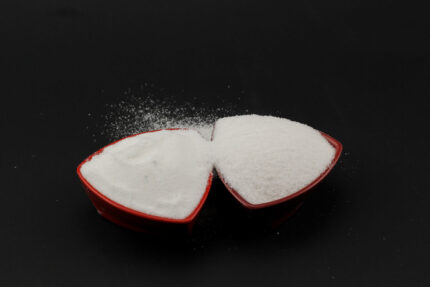
PET TG, or Textile Grade Polyethylene Terephthalate, is a specialized grade of PET designed for fiber production and textile applications. This grade features high molecular weight and intrinsic viscosity, providing excellent tensile strength, thermal stability, and durability, which are essential for producing high-quality polyester fibers. PET TG is widely used in the textile and nonwoven industries due to its superior spinnability and consistent performance.