

General Purpose Polystyrene (GPPS)
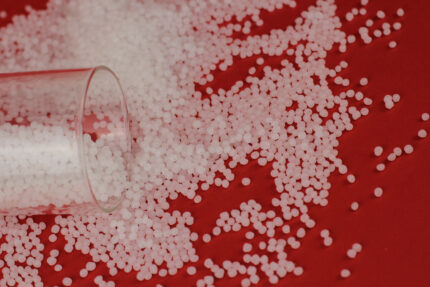
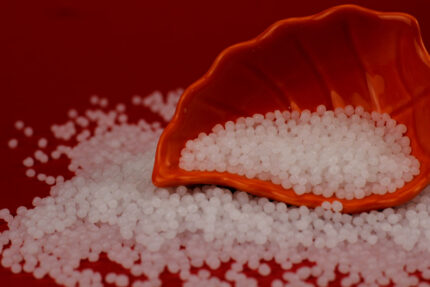
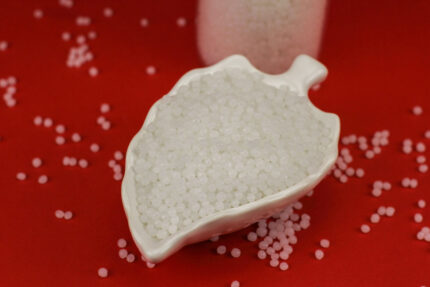
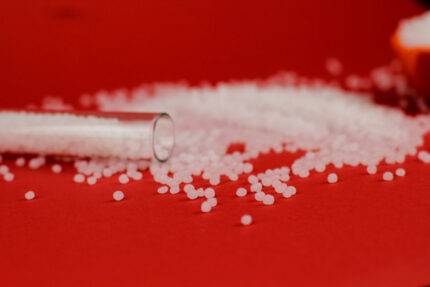
General Purpose Polystyrene (GPPS) is a crystal-clear, amorphous thermoplastic polymer produced by the polymerization of styrene monomers. It is one of the most common grades of polystyrene and is valued for its optical clarity, rigidity, dimensional stability, and ease of processing.
GPPS is often referred to as “crystal polystyrene” due to its transparency and glossy surface finish. It is primarily used in applications that require visual clarity, aesthetic appeal, and precise dimensional control.
Key Characteristics
• High transparency and surface gloss
• Rigid and dimensionally stable under normal conditions
• Lightweight and easy to mold or extrude
• Low moisture absorption
• Good printability and surface decoration compatibility
• Economical for high-volume production
• FDA-approved grades available for food contact applications
Processing Methods
GPPS can be processed using several standard thermoplastic techniques, including:
• Injection molding: For producing rigid parts with fine detail.
• Extrusion : For Converts granules into sheets, films, or profiles.
• Thermoforming : For Heating extruded sheets and shaping them in molds.
• Blow molding : For hollow items.
• Foaming (Expandable PS or EPS Process): For Uses blowing agents to expand GPPS beads.
It can also be blended with colorants or additives to improve performance or visual appearance.
Applications of GPPS
1. Packaging Industry
• Transparent food containers and lids
• Disposable cups, plates, and cutlery
• Cosmetic and personal care packaging
• Blister packs and display boxes
2. Consumer Products
• CD and DVD cases
• Stationery items
• Lighting fixtures and lamp diffusers
• Household items and decorative products
3. Medical and Laboratory Equipment
• Petri dishes, pipette tips, and test tubes
• Diagnostic trays and sample containers
• Disposable medical packaging
4. Electronics and Appliances
• Transparent covers and display components
• Internal parts of electrical devices
• TV and monitor housings (in blends with HIPS)
5. Industrial Uses
• Profiles, sheets, and panels for signage
• Injection-molded technical parts requiring dimensional accuracy
Advantages
• Exceptional optical clarity and high surface gloss
• Excellent dimensional accuracy
• Good rigidity and ease of processing
• Competitive cost and availability
• Recyclable
Limitations
• Brittle under mechanical stress or impact
• Limited UV and weather resistance
• Poor resistance to organic solvents
• Not suitable for high-temperature applications above 90–100°C
General Purpose Polystyrene (GPPS) combines clarity, rigidity, and cost efficiency, making it an ideal material for a wide range of packaging, consumer, and industrial applications. Its versatility, along with easy processing and recyclability, continues to make GPPS a preferred choice in modern manufacturing.
Available Grades:
GPPS 1115, GPPS 1160, GPPS 1460, GPPS 1540, GPPS 1551, GPPS 1077
And all the Productions are according to Customers’ orders and requests.
Related products


HDPE Extrusion
HDPE Extrusion is a manufacturing process where high-density polyethylene (HDPE) is melted and pushed through a die to create continuous shapes, like pipes, sheets, and profiles. Known for its durability, flexibility, and resistance to chemicals, HDPE extrusion is widely used across multiple industries. Key applications include:


High Impact Polystyrene (HIPS)
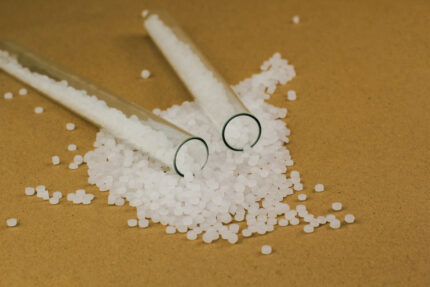
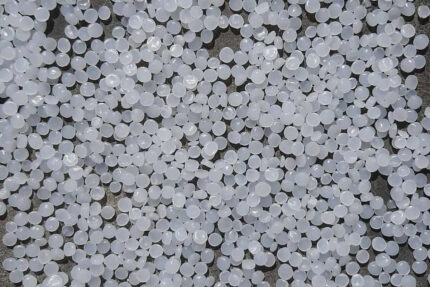
High Impact Polystyrene (HIPS) is a tough, durable, and opaque thermoplastic polymer produced by blending polystyrene with polybutadiene rubber. This modification enhances the material’s impact strength, flexibility, and resistance to cracking compared to General Purpose Polystyrene (GPPS).
HIPS offers a balanced combination of mechanical strength, processability, and cost efficiency, making it one of the most popular and widely used thermoplastics in the packaging, appliance, and consumer goods industries.